
Why caverns
Caverns, also known as caves, have long been a source of fascination for humans. These natural underground chambers have captured our imagination for centuries, serving as a mysterious and awe-inspiring environment. But what exactly makes caverns so intriguing?
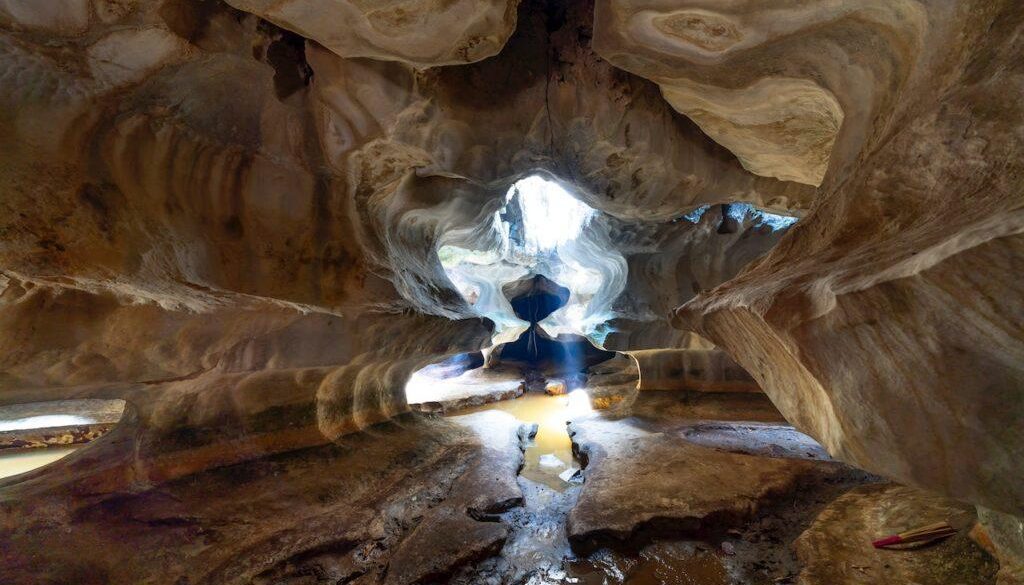
Firstly, the unique geological formations found within caverns are a major draw. Over thousands of years, water and other natural processes have carved out intricate patterns and shapes in the rocks, creating breathtaking stalactites, stalagmites, and other formations. These unique features give caverns their distinct beauty and provide a glimpse into the Earth’s history.
Caverns also serve as important habitats for a wide range of organisms. Despite the darkness and limited resources, various species have adapted to thrive in this underground world. From blind fish to cave-dwelling insects, these creatures have evolved special characteristics to survive in the challenging conditions of the cavern environment. Exploring these ecosystems not only offers valuable insights into the adaptability of life but also highlights the importance of preserving these delicate ecosystems.
In addition to their natural wonders, caverns also hold cultural and historical significance. Ancient civilizations used caves for shelter, spiritual ceremonies, and even as burial sites. Caverns have also played important roles in mythologies and folklore around the world, often serving as settings for epic tales or hidden treasures.
Furthermore, caverns offer unique recreational opportunities for adventure enthusiasts. Caving, or spelunking, has become a popular activity for those seeking an adrenaline rush and a chance to explore the unknown. Guided tours and expeditions allow individuals to safely navigate through the labyrinthine passages and experience the thrill of venturing deep into the Earth.
Finally, caverns also hold scientific value. Researchers study these underground environments to gain insights into geological processes, climate change, and even potential sources of natural resources. By examining the formations and sediments within caverns, scientists can uncover clues about past climates and ancient civilizations.
In conclusion, caverns captivate us with their stunning geological formations, diverse ecosystems, cultural significance, recreational opportunities, and scientific value. Exploring these underground wonders not only provides a sense of adventure but also offers valuable insights into our planet’s history and the adaptability of life itself. Whether you’re an adventure seeker or a scientist, caverns have something unique to offer everyone.


