
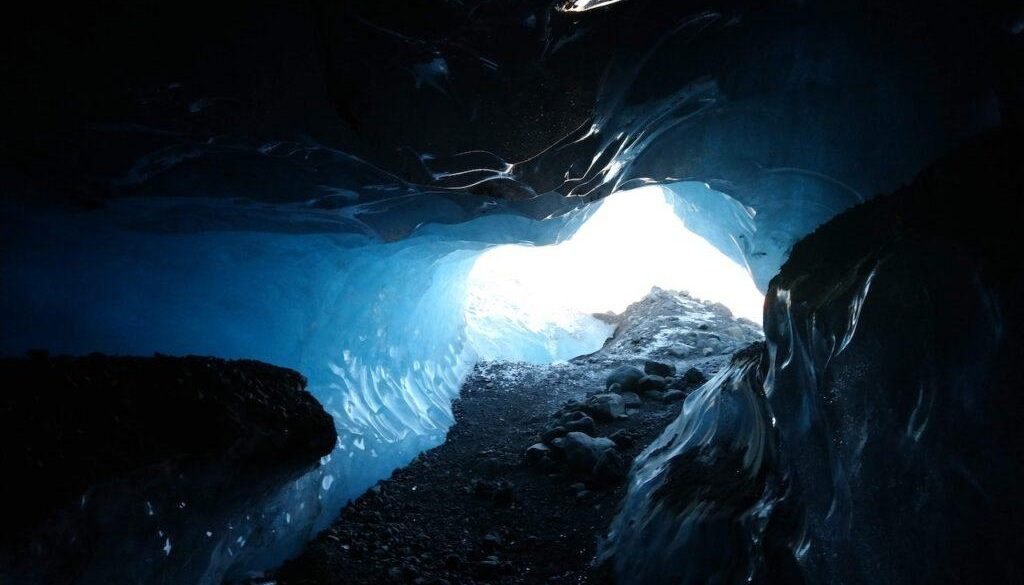
Why cave is cold
Caves are known for their cool temperatures, which can often feel quite cold to humans. This is due to a combination of factors that contribute to the chilly environment found underground.
One of the main reasons caves are cold is because they are located below the Earth’s surface. The temperature underground tends to be cooler than at the surface, as the Earth acts as a natural insulator, trapping heat from the sun and preventing it from reaching the depths of the cave.
In addition to their underground location, caves are also often found in areas with specific geological features that contribute to their cool temperatures. Many caves are formed in limestone or other types of rock that have good thermal conductivity. This means that heat is easily absorbed by the rock and conducted away from the cave, helping to keep it cool.
Another factor that contributes to the coldness of caves is their lack of sunlight. Unlike the surface, where sunlight can warm the air and ground, caves are largely devoid of natural light. Without sunlight, there is no source of heat to warm the cave’s environment, leading to cooler temperatures.
Furthermore, caves often have constant air circulation, which can further contribute to their coldness. The movement of air within a cave helps to distribute cooler air from outside and prevents warm air from accumulating. This constant circulation ensures that the cave remains at a consistently chilly temperature.
Overall, caves are cold due to a combination of factors including their location underground, the thermal conductivity of surrounding rock, lack of sunlight, and constant air circulation. These factors work together to create a cool and sometimes frigid environment within caves.


