
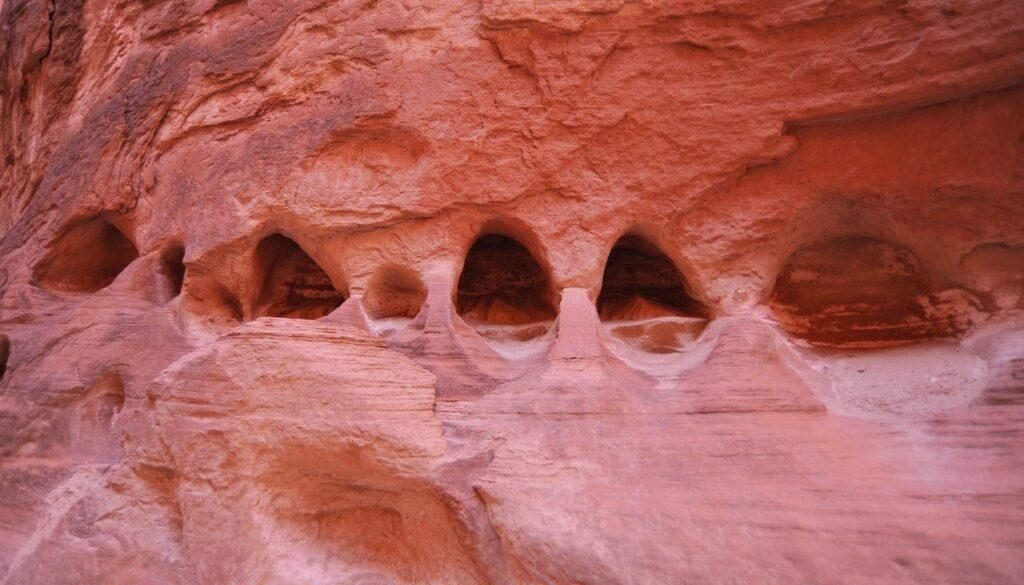
Who formed caves
Caves are formed through various natural processes, involving the interaction of water, rock formations, and time. One of the primary factors in cave formation is the dissolution of limestone or other soluble rocks. Rainwater, which is slightly acidic due to the absorption of carbon dioxide from the atmosphere, seeps into the ground and dissolves the rock layers over time. This process is known as chemical weathering.
Another important mechanism in cave formation is erosion caused by flowing water. As water moves through fractures and cracks in the rock, it gradually widens these channels, creating underground passages. Over millions of years, these passages can develop into extensive cave systems. The structure and shape of caves can also be influenced by the type of rock and the direction of water flow.
Caves can also form through other processes such as volcanic activity, tectonic forces, or even human intervention. Lava tubes are a type of cave that occurs when molten lava cools and solidifies, leaving behind a hollow tube-shaped structure. Similarly, caves can be created by the collapse of underground caves due to geological shifts or human activities such as mining.
The formation of caves is a dynamic process that continues to occur over time. As water continues to flow through underground channels and dissolve rock layers, new caves are constantly being created and existing ones are evolving. The study of cave formation provides valuable insights into Earth’s geological history and helps us understand the complex processes that shape our planet.
In conclusion, caves are formed through a combination of chemical weathering, erosion caused by flowing water, volcanic activity, tectonic forces, and human intervention. These processes interact with different types of rocks to create unique underground structures. Understanding cave formation is crucial for scientific research and provides a window into Earth’s past.


