
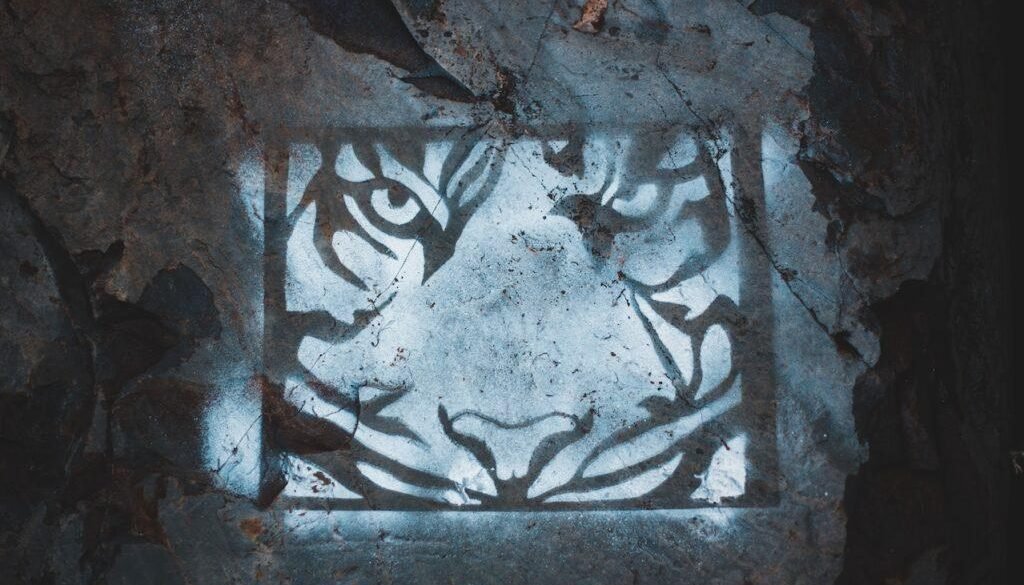
Who cave paintings
Cave paintings, also known as parietal art, are one of the earliest forms of human artistic expression. These paintings were created by ancient humans who lived thousands of years ago. The purpose and meaning behind cave paintings are still largely unknown, but they have provided valuable insights into the lives and cultures of our ancestors.
Cave paintings can be found in various parts of the world, with some of the most famous examples located in Europe. These paintings depict a wide range of subjects, including animals, humans, and abstract symbols. The techniques used to create these paintings varied, with some artists using their fingers or natural pigments, while others utilized brushes made from animal hair.
One theory suggests that cave paintings were used for religious or ceremonial purposes. It is believed that these paintings may have been a way for ancient humans to communicate with supernatural beings or to express their spiritual beliefs. Another theory proposes that cave paintings were created as a form of storytelling or as a means of documenting important events or hunting successes.
The preservation of cave paintings is a delicate process, as they are often located in dark and remote areas. Environmental factors such as temperature, humidity, and bacteria can cause deterioration over time. To protect these precious artworks, conservation efforts have been undertaken to limit human access and to implement measures that will prevent further damage.
Cave paintings continue to captivate researchers and art enthusiasts alike. They offer a unique glimpse into the minds and lives of our ancient ancestors. Through careful study and analysis, experts hope to unravel the mysteries surrounding these extraordinary works of art and gain a deeper understanding of our shared human history.
In summary, cave paintings are ancient artworks created by early humans. They depict a variety of subjects and were likely used for religious or ceremonial purposes. Conservation efforts are being made to protect these valuable artifacts, which provide valuable insights into our past.


