
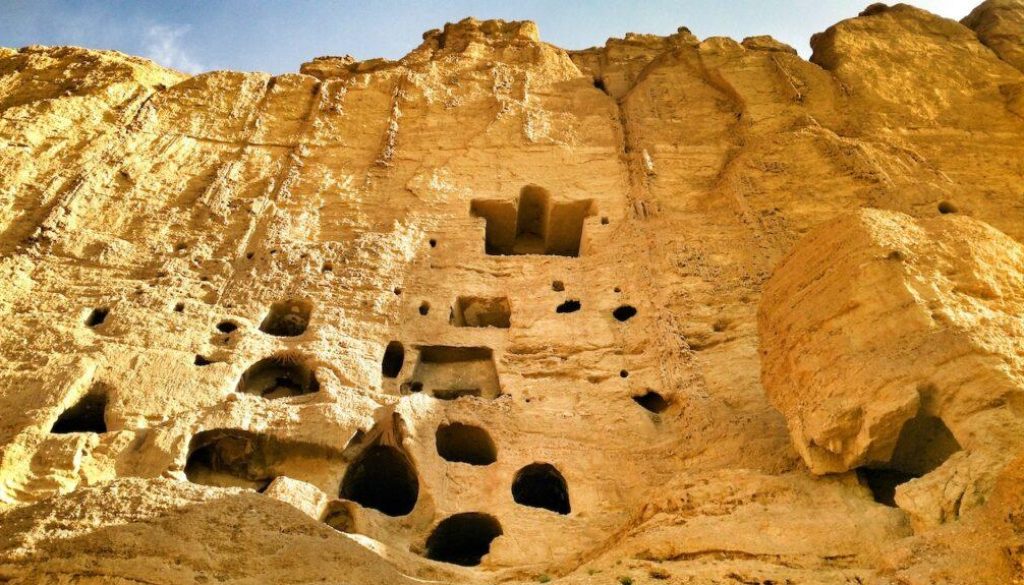
When caves are formed
Caves are unique geological formations that are formed over millions of years through various processes. These underground structures provide valuable insights into the Earth’s history and offer a glimpse into the intricate workings of nature.
One of the primary processes involved in cave formation is the dissolution of rock by water. Over time, acidic rainwater or groundwater seeps into the ground, interacting with soluble rock such as limestone or dolomite. This chemical reaction gradually erodes the rock, creating openings and passages that eventually develop into caves.
Another important factor in cave formation is the physical weathering of rock. Natural forces like wind, water, and temperature changes can wear away at rocks, creating cracks and fractures. These weak points are susceptible to further erosion by water, leading to the development of larger cave systems.
Caves can also be formed through volcanic activity. Lava tubes are created when molten rock flows and solidifies on the surface while the interior remains hot and fluid. As the flow subsides, the molten rock drains out, leaving behind a hollow tube-like structure.
Additionally, caves can be formed by the collapse of underground chambers or by tectonic forces. Fault lines or movements in the Earth’s crust can cause rocks to shift and break, resulting in the formation of fissures and caves.
Caves are not only fascinating geological features but also serve as important habitats for a wide range of organisms. Many caves harbor unique ecosystems that have adapted to thrive in complete darkness. These ecosystems often include specialized species that have evolved unique characteristics to survive in these challenging environments.
Cave exploration and study provide scientists with valuable data about climate change, paleoclimate records, and geological processes. By analyzing cave formations and deposits, researchers can gain insights into past climates and understand how they have changed over time.
In conclusion, caves are intricate formations that are formed through processes such as dissolution, physical weathering, volcanic activity, collapses, and tectonic forces. They provide a window into Earth’s history and harbor unique ecosystems. The study of caves offers valuable information about climate change and geological processes that have shaped our planet.


