
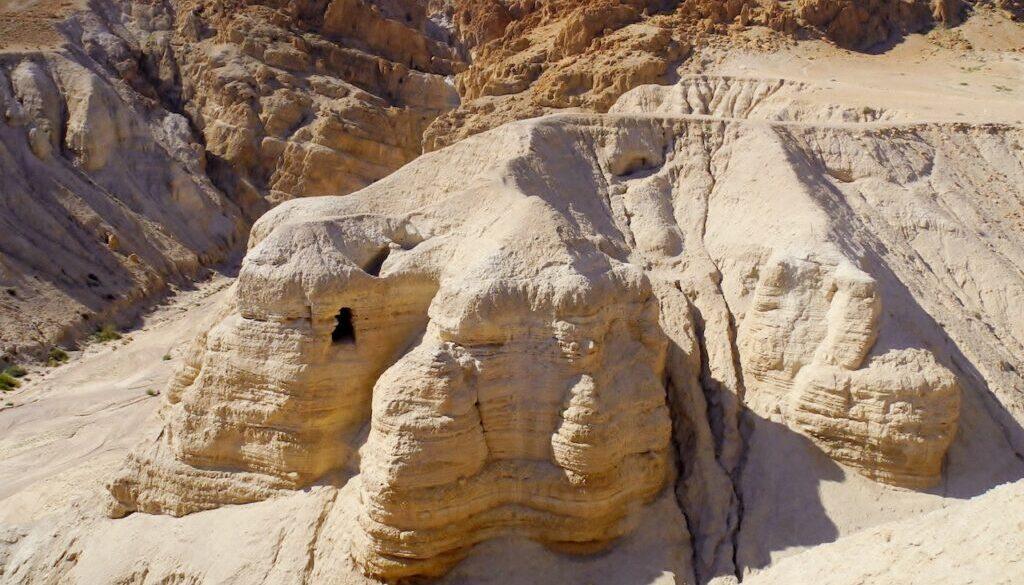
Qumran Caves – Find the Most Interesting Facts at …
The Qumran Caves, located near the northwestern shore of the Dead Sea in Israel, hold a significant historical and archaeological importance. These caves were discovered in the 1940s and 1950s and have provided valuable insights into the ancient world.
One of the most interesting facts about the Qumran Caves is their connection to the Dead Sea Scrolls. These scrolls, which were discovered in some of the caves, are considered one of the most important archaeological finds of the 20th century. They contain various texts, including religious and biblical manuscripts, giving us a glimpse into the beliefs and practices of ancient Jewish communities.
The Qumran Caves also offer insights into the Essene community, a Jewish sect that is believed to have inhabited the area during the Second Temple period. The discovery of ritual baths, communal dining halls, and living quarters suggests that these caves served as a place of residence for this community. This finding sheds light on their way of life and religious practices.
Furthermore, the geographical location of the Qumran Caves is worth noting. Situated in close proximity to the Dead Sea, the caves provide a unique environment for preservation. The dry climate and high salt content have helped preserve various artifacts found within the caves, including pottery, coins, and textiles. This has allowed researchers to gain a better understanding of daily life during ancient times.
In recent years, ongoing excavations and research have continued to uncover new findings at the Qumran Caves. These include additional manuscripts, tools, and evidence of human habitation. The exploration of these caves remains a fascinating endeavor for archaeologists and historians alike.
In conclusion, the Qumran Caves are an exciting archaeological site that has yielded significant findings such as the Dead Sea Scrolls and evidence of an ancient Jewish community. The preservation conditions in these caves have allowed researchers to gain valuable insights into daily life during ancient times. Ongoing excavations continue to reveal new discoveries, further enhancing our understanding of this historically rich area.


