
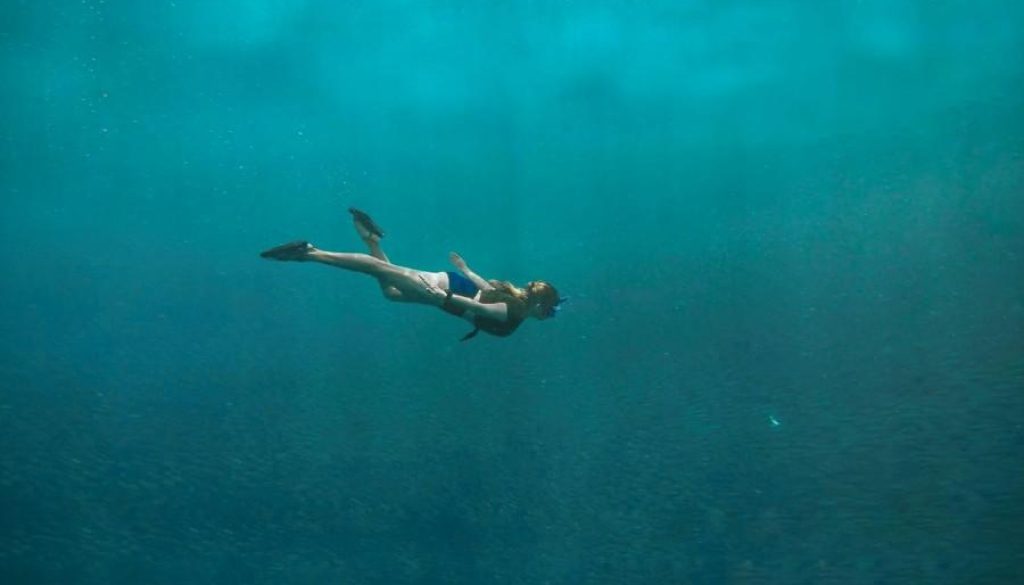
Preparing Yourself for Cave Diving: 4 Tips for Women
Cave diving is equal parts adrenaline, skill, and psychological endurance. It’s a sport that challenges the human body and mind in ways that few others can. And for women preparing to take a dive, it’s important to approach cave diving as a serious physical and mental undertaking.
For women especially, there are health and safety factors that require attention. Emotional readiness, equipment familiarity, and the right kind of training also matter. Let’s talk about some of the most important ways to get yourself ready for cave diving as a woman.
#1 Get the Right Physical and Mental Training
Cave diving is more than floating around looking at underwater rock formations. It involves swimming against currents, managing air supply, staying calm in tight spaces, and reacting to unexpected situations with a clear head.
Women may face additional physical demands depending on body size, muscle mass, and endurance levels, so personalized training is important. If you’ve never done a technical dive before, start by building strength through regular workouts that target your core and upper body. Practice breathing control to maintain composure underwater.
Mental conditioning is just as important. The isolation of a cave, silence, and darkness can provoke anxiety even inexperienced divers. Many women find that meditation or mindfulness exercises help them manage the psychological stress that may come with cave environments. If you’re someone who deals with panic or claustrophobia, it’s critical to recognize that before diving.
According to Jill Heinerth, who completed over 8,000 cave dives, the cave system itself represents the ultimate challenge. However, proactive divers are able to avoid stress by getting proper training and honing their dive skills.
What makes cave diving such a thrilling activity?
Cave diving offers a unique mix of exploration, danger, and beauty. Divers experience an otherworldly underwater world that few people see. The narrow passages and mysterious formations provide an adrenaline rush. For many, it’s the ultimate blend of adventure, science, and solitude.
#2 Double Check Your Gear and Practice with It Extensively
No matter how well-trained you are, unreliable or unfamiliar gear can become your biggest liability underwater. For women divers, there’s an added layer of consideration regarding finding gear that fits poorly can lead to inefficient movement and even physical harm.
Standard dive equipment is often designed with men in mind. That means poorly fitting harnesses, oversized masks, or buoyancy control devices that don’t sit right on a smaller frame.
Investing in gear made specifically for women can go a long way in helping you stay comfortable and in control during a dive.
Don’t just try your gear on dry land and assume you’re ready. Practice dives in open water or controlled environments are a must. You need to know how every clip, tank, and valve feels in motion and under pressure. Try moving through narrow spaces, simulating zero visibility, or even flooding your mask and clearing it.
Scuba gear can cost anything between $800 and $5,000. Expect dedicated cave diving gear to be slightly more expensive.
#3 Evaluate Your Medications for Any Side Effects
An often-overlooked part of preparing for cave diving is checking in on how any medications you use could affect your experience. For women, this includes everything from anxiety medication to hormonal birth control.
Some medications can alter your perception, breathing, or ability to stay calm under pressure. All of these are critical when you’re diving in enclosed, underwater spaces. Side effects that seem minor on land, like lightheadedness or nausea, can be amplified when you’re 80 feet underground with a limited air supply.
One example that underscores this concern is the ongoing scrutiny surrounding Depo-Provera. This birth control injection is used by many women for its convenience and long-lasting effects. However, according to TruLaw, the Depo-Provera lawsuits allege the drug has caused serious health complications.
Some women involved in Depo-Provera lawsuit settlements have cited unexpected symptoms that impacted their ability to safely engage in physically demanding activities. Depo-Provera use should be regularly reviewed with healthcare providers to evaluate whether the benefits still outweigh the risks.
Cave diving requires peak physical function, and using a medication with a history of controversy or risk, like Depo-Provera, deserves careful consideration.
Why is cave diving so dangerous for women in particular?
Cave diving is dangerous for everyone, but some gear and environmental factors may present added challenges for women. Differences in body size can make standard equipment less suitable. Hormonal changes might also affect temperature regulation and buoyancy. Still, with the right training and gear, many women safely enjoy the sport.
#4 Join a Community of Female Divers for Support and Guidance
Being part of a community can dramatically change how you prepare, train, and experience cave diving. Experienced female divers can offer tips on how to adapt equipment and handle unique physical or emotional challenges.
Women divers often face different expectations or assumptions in a male-dominated sport. Having a supportive network can help keep your confidence strong and your focus clear.
Whether it’s swapping stories or sharing the emotional rollercoaster of completing your first cave dive, these connections are invaluable. You don’t have to figure it all out alone. These stories and shared experiences are as much a part of your preparation as your gear and your training.
Recently, British diving pioneer Penelope ‘Mossy’ Powell was inducted into the Women Divers Hall Of Fame. You’ll find many women who were inspired by Mossy and are now very interested in cave diving. Connect with them on various forums and talk freely about the sport. You’ll definitely learn plenty of new things about this rather new world.
Can you go cave diving anywhere?
You can’t go cave diving just anywhere, other than caves that are mapped, accessible, and approved for diving. Many sites require permits and certifications due to the risk involved. Safety, conservation, and logistics limit locations. Popular spots exist in places like Mexico, Florida, and the Mediterranean.
Cave diving is not about conquering the underwater world. It’s about respectfully navigating it while discovering what you’re made of. For women, preparation isn’t just physical; it’s emotional, medical, and psychological. Taking the time to ask hard questions and plan carefully helps ensure that your cave diving experience is both thrilling and safe.


