
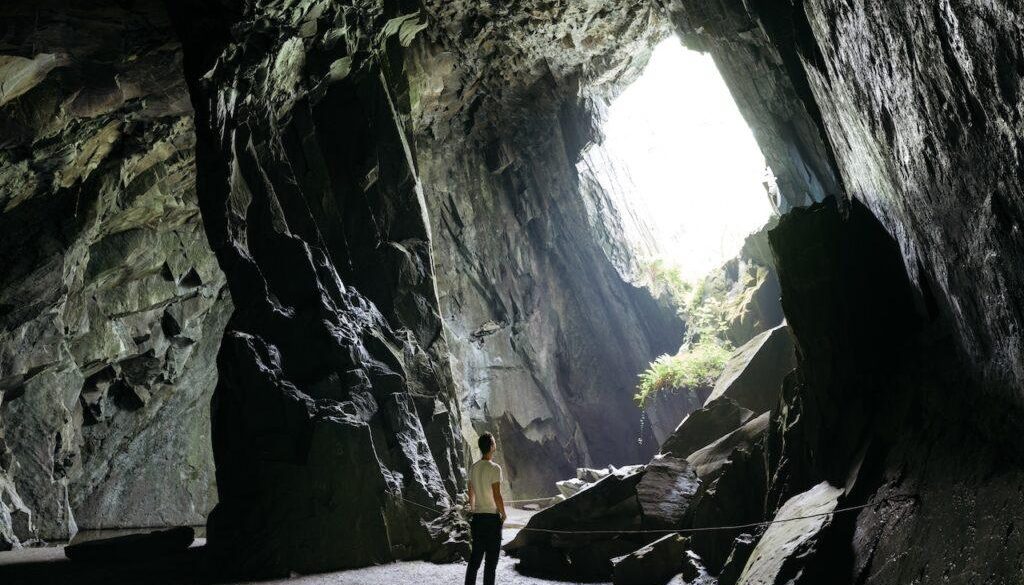
Are caves man made
Caves are natural formations found in various parts of the world, but not all caves are created by nature alone. Man-made caves, also known as artificial or constructed caves, are human-built structures that mimic the characteristics of natural caves. These artificially created underground spaces serve a variety of purposes and can be found in different cultures and time periods.
One of the main reasons for creating man-made caves is for shelter and habitation. Throughout history, people have sought refuge in caves due to their natural protection against the elements and potential threats. In some cases, these caves were expanded and modified to accommodate larger groups of people, creating intricate cave systems.
Additionally, man-made caves have been used for religious and spiritual purposes. Many ancient civilizations believed that caves were sacred spaces where they could connect with their deities or perform rituals. Examples of such religious caves can be found in different parts of the world, including India, France, and Turkey.
Furthermore, man-made caves have served as storage spaces for various goods. In regions with limited above-ground storage options or harsh climates, caves provided a practical solution for preserving food, water, and other valuable resources. These storage caves were often strategically located near settlements or trade routes.
In recent times, man-made caves have also been utilized for recreational purposes. Caverns and underground attractions have been developed to offer visitors a unique experience of exploring subterranean environments. These tourist attractions often feature guided tours that showcase the geological formations and historical significance of the caves.
In conclusion, while most caves are naturally formed over long periods of time, there are instances where humans have played a role in their creation. Man-made caves have been used for shelter, religious practices, storage, and recreation throughout history. These artificial underground spaces offer valuable insights into human ingenuity and our relationship with the natural world.


