
Are caves hot or cold
The question of whether caves are hot or cold depends on various factors. Generally, caves tend to maintain a relatively constant temperature throughout the year, which is typically cooler than the outside environment. This is due to the insulating properties of the cave walls, which help regulate the temperature and prevent extreme fluctuations.
In some cases, caves can actually be warmer than the outside temperature. This occurs when a cave is located in a region with a warmer climate or when it is exposed to direct sunlight. In such situations, the cave can act as a natural greenhouse, trapping heat and causing the temperature inside to rise.
On the other hand, caves can also be colder than the outside temperature. This is particularly true for caves located in colder regions or at higher altitudes. The lack of sunlight and exposure to cold air can contribute to lower temperatures inside the cave.
Another factor that affects the temperature in caves is their depth. As you descend deeper into a cave, the temperature tends to drop. This is because the Earth’s crust acts as a natural insulator, preventing heat from reaching great depths.
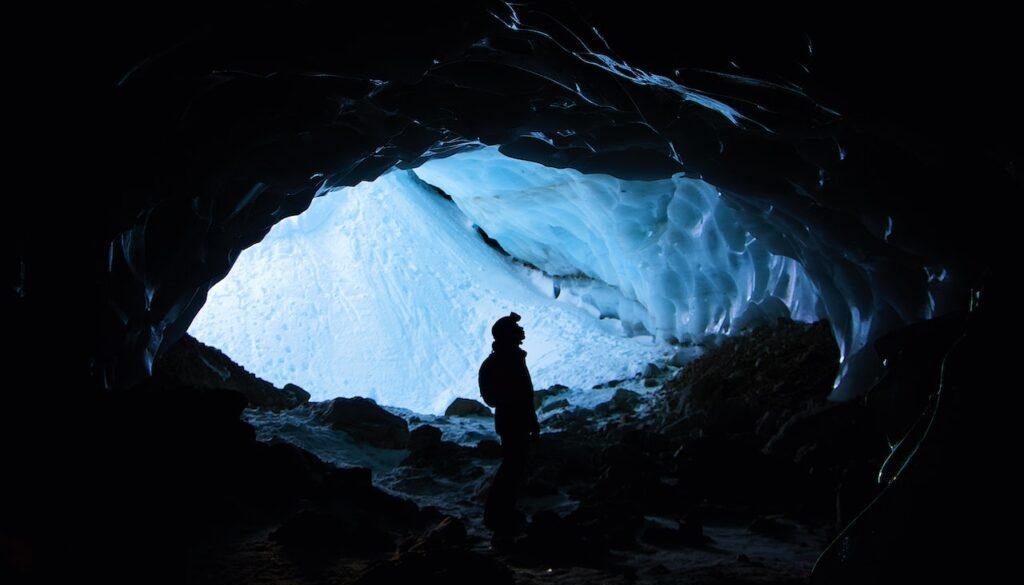
It’s worth noting that some caves have unique microclimates due to specific geological or environmental conditions. For example, ice caves are naturally cold due to the presence of ice formations that remain frozen even during warmer seasons.
Ultimately, whether a cave is hot or cold depends on its location, exposure to sunlight, depth, and other environmental factors. Understanding these factors is important for individuals exploring or studying caves, as it helps them prepare for and adapt to the varying temperatures they may encounter in different cave environments.


