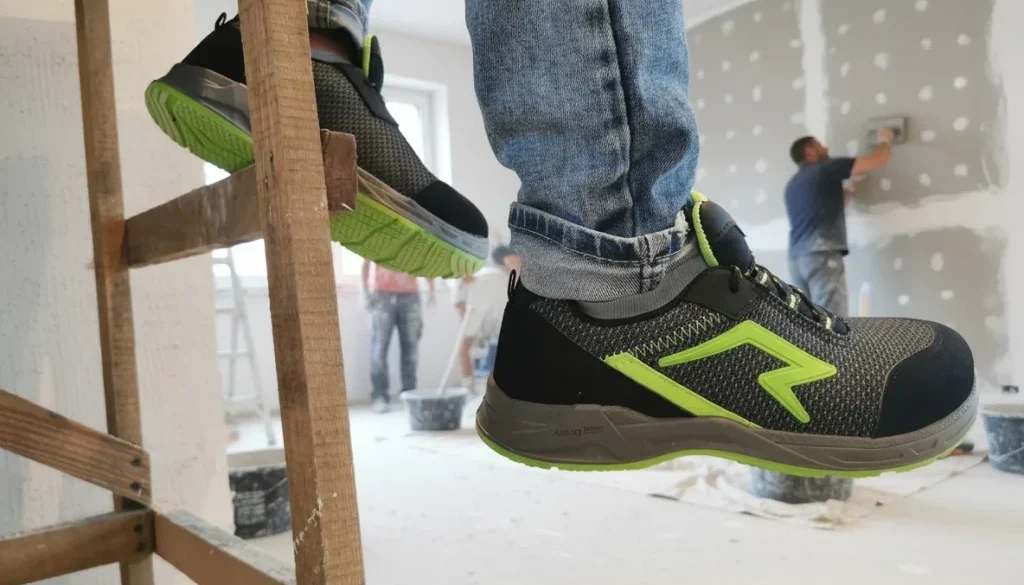
Why Your Safety Shoes Hurt: 7 Common Mistakes and How to Fix Them
You know the feeling: the shift ends, and instead of relief you’re limping home with sore, burning feet. Safety shoes are meant to protect you, but for many people they become a daily struggle. The real question isn’t just “Why do my shoes hurt?” but “What did I miss when choosing them?”
The truth is simple: most foot pain comes from avoidable mistakes. In this guide, we’ll go through seven common errors workers make with safety footwear and give you realistic fixes. Some are small adjustments, others require rethinking your choice of boots. And yes, brands like Talan safety shoes prove that it’s possible to get protection without sacrificing comfort.
1. Wrong Size or Fit
One construction worker told me he bought boots “a size up” for extra room. Guess what happened? His feet kept sliding, and by the second week he had raw blisters on both heels. Too small is painful. Too big is just as bad.
Fix: Measure your feet in the afternoon, when they’re at their largest. Try boots with your actual work socks. And don’t ignore width — wide feet in narrow boots will always suffer.
2. Ignoring Safety Ratings
Ever worn heavy steel-toe S3 boots in a dry warehouse? It feels like carrying bricks on your feet. On the other hand, using light shoes on a construction site is downright dangerous.
Fix: Know your classes:
- S1 – Dry, indoor spaces.
- S2 – Water-resistant, for damp conditions.
- S3 – Puncture-resistant, made for construction and tough sites.
The right rating means less weight, more comfort, and proper protection.
3. Poor Materials
Cheap plastic looks okay on the shelf but feels like a sauna after two hours. Sweat builds, socks stay damp, and suddenly odor and fungal issues appear.
Fix: Choose breathable safety boots made from real leather or technical fabrics. A moisture-wicking lining keeps your feet dry even on long shifts.
4. Overlooking Insoles
Standard insoles are like thin cardboard — no real support. Spend all day standing on concrete and your heels, knees, and back will complain.
Fix: Upgrade to ergonomic or orthotic insoles. Better yet, choose boots already designed with support inside. High-quality makers like Talan safety shoes build advanced cushioning into their models, saving you the trouble later.
5. Only Looking at Price
We’ve all done it: picked the cheapest pair, thinking “boots are boots.” A few months later, the soles split, the support is gone, and you’re back in the store — this time with sore feet.
Fix: Treat protective footwear as gear, not just shoes. Pay more upfront, and you’ll get durability, comfort, and long-term savings.
6. Wearing the Wrong Socks
This one surprises people. Cotton socks feel fine at first but trap moisture. After hours of work, that means blisters and odor.
Fix: Go for moisture-wicking socks made from synthetics or wool blends. Always change them daily. For long shifts, keep an extra pair in your bag.
7. Neglecting Care
Even the best boots fail if you never care for them. Mud, sweat, and damp lockers shorten their life. Many workers simply lace up day after day until the smell or pain forces a replacement.
Fix: Let your boots breathe after shifts. Remove insoles to dry them. Clean dirt regularly and never dry them on a heater — it cracks the material. Simple habits, big results.
Foot pain at work isn’t “just part of the job.” Most of it comes from small but fixable mistakes: wrong fit, wrong class, poor materials, weak insoles, cheap buys, bad socks, or skipped care. Fix those, and your day feels completely different.
The right work boots don’t just meet safety standards — they protect your health, too. Your feet carry you through every shift. Take care of them, and they’ll carry you much further, with less pain.